Microneedling OKC: 7 Mistakes You're Making With Your Skin (and How to Fix Them)

If you are searching for microneedling OKC or “micro needling OKC,” you are likely looking for more than a quick cosmetic treatment. You want clearer information, thoughtful recommendations, and a plan that respects your skin.
Microneedling can help improve the appearance of fine lines, acne scars, uneven texture, enlarged-looking pores, and mild skin laxity. But the quality of your results depends on more than the device itself. Treatment spacing, preparation, aftercare, sun protection, and professional guidance all matter.
Here are seven common microneedling mistakes, and how to approach your skin journey with greater care and precision.
1. You Are Scheduling Treatments Too Close Together
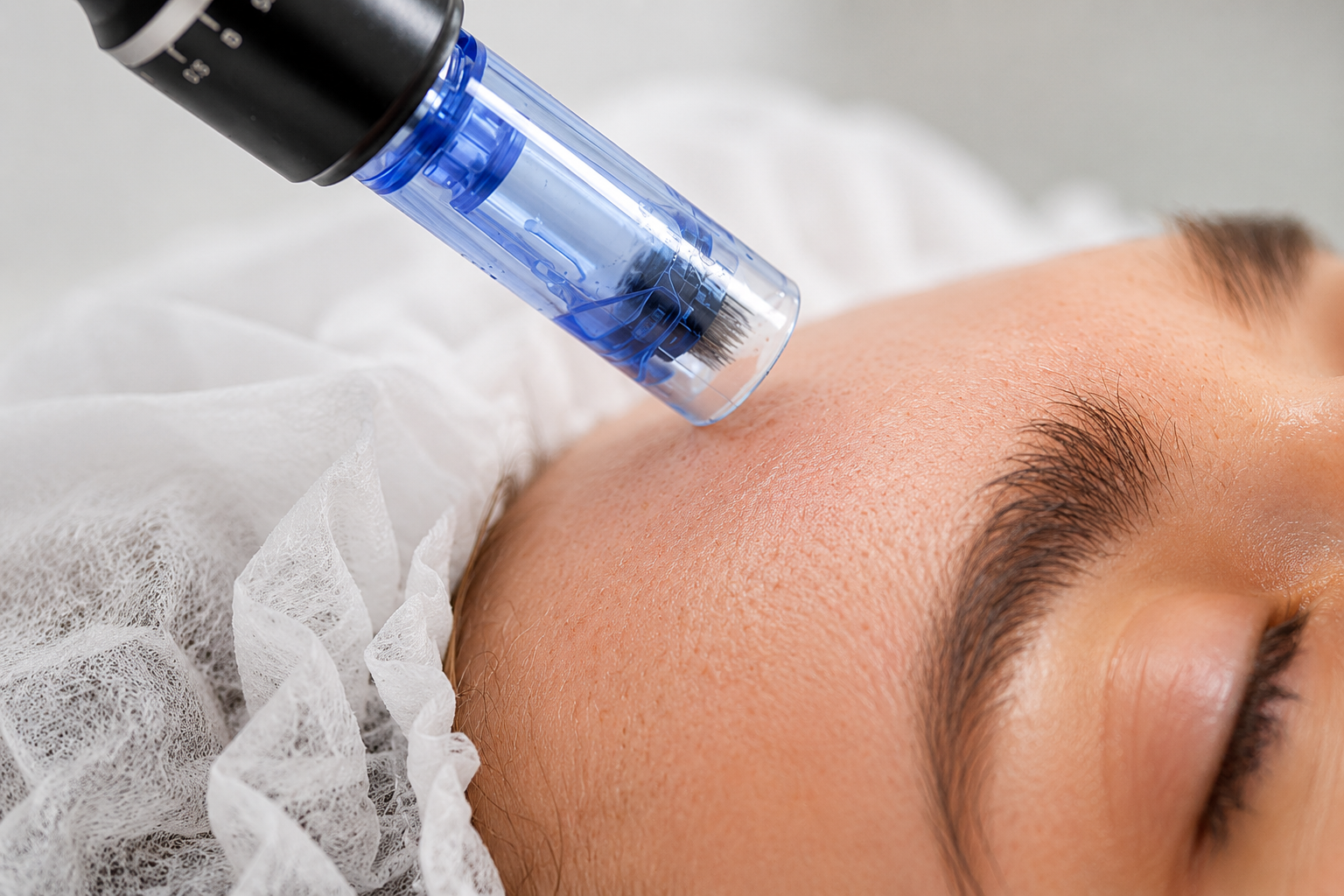
Microneedling creates controlled micro-injuries that encourage the skin’s natural healing and collagen-remodeling process. That process takes time. Scheduling treatments too close together does not necessarily accelerate results and may leave your skin irritated before it has fully recovered.
For many professional microneedling plans, treatments are spaced approximately four to six weeks apart. RF microneedling may require a different schedule because it combines microneedling with controlled radiofrequency energy. Your treatment interval may depend on:
- The device and settings used
- Your treatment area
- The concern being addressed
- Your skin’s healing response
- Whether you are receiving traditional or RF microneedling
- Other services in your treatment plan
A series of treatments may be recommended, but the right number and timing should be determined during your consultation.
The better approach: Give your skin time to heal and remodel. At AesTonic, we create a personalized schedule instead of applying the same timeline to every patient.
2. You Are Treating Aftercare as an Optional Step
Your skin may look flushed, feel warm, or feel tight after microneedling. These temporary responses can be part of the healing process, but your post-treatment habits still matter.
For the first several days, your provider may recommend that you:
- Cleanse gently with a mild product
- Use simple, non-irritating hydration
- Avoid scrubs and aggressive exfoliation
- Pause retinoids, acids, and other strong active ingredients
- Avoid makeup for the period recommended by your provider
- Avoid excessive heat, swimming, saunas, and strenuous exercise
- Keep your hands away from treated areas
The exact instructions may vary depending on whether you receive traditional microneedling or RF microneedling, as well as your skin’s response.
The FDA recommends discussing post-treatment skin care with a trained health care provider, since skin may be more sensitive to products such as retinol, glycolic acid, alcohol, and other potentially irritating ingredients.
The better approach: Follow the written instructions from the professional who performed your treatment. Do not copy another person’s recovery routine without considering your own skin, settings, and medical history.

3. You Are Underestimating Sun Protection
Sun protection is important every day, but it becomes especially important while your skin is healing. UV exposure can increase irritation and may contribute to unwanted pigmentation changes, particularly after treatments intended to improve acne scars, uneven tone, or texture.
A thoughtful post-microneedling sun strategy may include:
- Using a broad-spectrum sunscreen with SPF 30 or higher
- Wearing a hat when spending time outdoors
- Seeking shade during peak daylight hours
- Avoiding tanning beds
- Limiting prolonged direct sun while your skin recovers
- Reapplying sunscreen as directed during outdoor exposure
Your provider may recommend additional precautions based on your skin tone, history of hyperpigmentation, treatment depth, and the concern being treated.
AesTonic patients can also discuss medical-grade skin care options, including Essential Defense Mineral Shield SPF 32, as part of a personalized home-care plan.
The better approach: Treat sunscreen as part of your treatment, not an afterthought. Consistent protection supports a calmer recovery and helps protect the progress you are working toward.
4. You Are Choosing an At-Home Device for a Medical Procedure
At-home rollers and pens may look similar to professional microneedling devices, but appearance can be misleading. Needle depth, sterility, settings, technique, and treatment goals all affect safety.
The FDA states that it has not authorized microneedling medical devices for over-the-counter sale. It also advises patients to seek a provider who is specially trained in microneedling. At-home products may be marketed for exfoliation or surface smoothing, but they should not be assumed to provide the same results, or the same safety controls, as an in-office treatment.
With deeper or improperly used devices, potential concerns can include:
- Infection
- Prolonged irritation
- Scarring
- Pigment changes
- Skin damage
- Spread of bacteria or blood-borne pathogens when devices are shared or reused
RF microneedling requires even greater caution. In its RF microneedling safety communication, the FDA describes RF microneedling as a medical procedure and states that these devices should not be used at home.
The better approach: Reserve deeper microneedling and RF microneedling for a qualified, professional setting with appropriate protocols and oversight.
5. You Are Assuming Traditional Microneedling and RF Microneedling Are the Same
Traditional microneedling and RF microneedling share a foundation: both use controlled needle penetration to stimulate the skin’s healing response. RF microneedling adds radiofrequency energy, creating controlled heat at selected depths.
That difference may make RF microneedling worth discussing if your concerns include:
- Mild skin laxity
- Loss of firmness
- Crepey-looking skin
- Deeper textural changes
- Fine lines and wrinkles
- Acne scars or enlarged-looking pores
Traditional microneedling may be appropriate for other goals and skin concerns. Neither option is automatically better for every patient. Treatment selection should account for your anatomy, skin condition, goals, history of pigmentation changes, and tolerance for downtime.

The better approach: Ask what technology is being used, why it is being recommended, and how the settings are selected. AesTonic uses FDA-cleared technology appropriate to the treatment plan and focuses on gradual, natural-looking improvement.
6. You Are Skipping Professional Guidance
Online research can help you understand your options, but it cannot replace an evaluation of your skin. Two people may have similar concerns while needing very different treatment plans.
Before microneedling, your provider should discuss:
- Your primary skin concerns
- Your aesthetic goals
- Your medical history
- Current medications and skin care products
- Previous treatments
- Your history of cold sores, scarring, or pigmentation changes
- Whether you have active acne, eczema, rosacea, or another condition
- Expected benefits, limitations, downtime, and risks
The FDA notes that microneedling may not be suitable for everyone and that more than one procedure may be needed. Results can also vary and may require maintenance over time.
At AesTonic, consultation comes before recommendation. Our team can use advanced 3DX skin analysis technology to create a clearer visual baseline, discuss what your skin may need, and develop a plan aligned with your goals.
The better approach: Choose education over pressure. A trustworthy recommendation should be appropriate and beneficial, not driven by upselling.
7. You Are Stacking Treatments Without a Coordinated Plan
Microneedling may be part of a broader skin-care journey, but combining treatments too quickly can create unnecessary irritation. Peels, laser treatments, injectables, exfoliating products, waxing, and other services may need to be scheduled around your microneedling appointment.
For example, your provider may recommend delaying:
- Chemical peels
- Laser or light-based treatments
- Strong exfoliating acids
- Retinoids
- Waxing or threading
- Other procedures affecting the same area
The right timing depends on the treatment type, intensity, area treated, and how your skin is healing. This is especially important when considering RF microneedling, which may involve more substantial energy delivery than traditional microneedling.
The better approach: Let one qualified provider or coordinated clinical team map the sequence. Thoughtful spacing can support comfort, healing, and more predictable care.
What to Expect From a More Thoughtful Microneedling Plan
A well-planned experience should feel organized and personal:
- Conversation: You share your concerns, goals, history, and expectations.
- Assessment: Your provider evaluates your skin and discusses whether microneedling is appropriate.
- Recommendation: You learn whether traditional or RF microneedling may better fit your needs.
- Treatment: Your provider selects settings and techniques based on your skin and treatment goals.
- Aftercare: You receive clear instructions for cleansing, hydration, sun protection, and product use.
- Follow-up: Your progress is reviewed, and your plan may be adjusted as your skin responds.
That progression reflects the AesTonic approach: precision, education, comfort, and continued support.
Frequently Asked Questions About Microneedling in OKC
How many microneedling treatments will I need?
It depends on your goals, skin condition, treatment type, and response. Some patients may benefit from a series of treatments, while others may be appropriate for a different approach. Your provider can recommend a schedule during your consultation.
Is RF microneedling safe?
RF microneedling is a medical procedure with potential benefits and risks. The FDA has reported serious complications with certain uses, including burns, scarring, pigmentation changes, fat loss, and nerve damage. Choosing an appropriately trained provider, asking which device will be used, and discussing risks before treatment are important steps.
How long does microneedling take to show results?
Some changes may become visible as your skin heals, but collagen remodeling develops gradually. Your results may continue to evolve for weeks after treatment. Your provider can explain what timeline is realistic for your specific plan.
Can microneedling be combined with other treatments?
It may be, but the timing matters. Some combinations may be appropriate when carefully planned, while others should be separated to allow your skin to recover. Always discuss other treatments and products during your consultation.
Discover a More Personalized Approach to Microneedling OKC
Your skin deserves more than a generic treatment schedule or a one-size-fits-all device. At AesTonic Med Spa & Wellness, our physician-led team takes time to listen, assess, educate, and recommend care based on your skin and goals.
Learn more about RF microneedling in Oklahoma City, or request a complimentary consultation and advanced 3DX skin analysis. We will help you understand your options and determine whether microneedling is appropriate for your journey.
This article is for educational purposes only and is not a substitute for individualized medical advice. Treatment suitability, risks, recovery, and expected results vary by patient. Discuss your health history and concerns with a qualified provider before treatment.
The body content of your post goes here. To edit this text, click on it and delete this default text and start typing your own or paste your own from a different source.
Share This Blog